

The Impact of Indoor Plant Grow Lights on Plant Development


Understanding How Grow Lights Nurture Flora
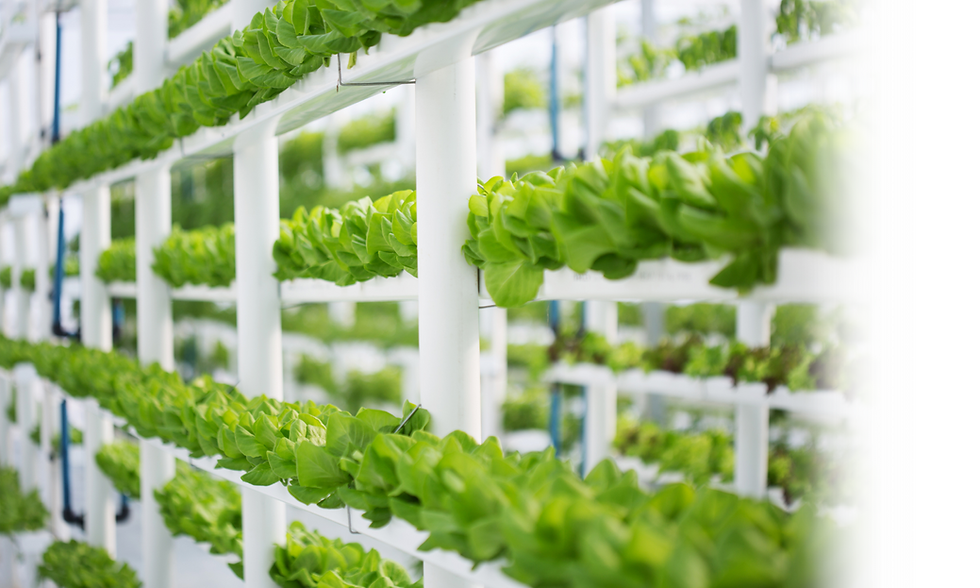
Grow lights are specialized systems that harness key color frequencies of natural sunlight to support indoor plant development. They emit specific wavelengths that trigger photosynthesis, ensuring plants receive the optimal light energy for robust growth. By influencing cell division, chlorophyll production, and root expansion, these lights are vital in environments lacking sufficient natural light. Modern grow lights—using technologies like LED, HID, and fluorescent—are now used in home gardens, greenhouses, hydroponics, vertical farming, and even aeroponics, ensuring improved yield and plant quality through precise light management.
The Science Behind Light Spectrums for Plant Growth
Plants use light both as an energy source and as a signal for development. Different wavelengths, such as blue for vegetative growth and red for flowering, activate photoreceptors that regulate germination, leaf expansion, and stress responses. Supplemental ultraviolet and infrared light can further enhance plant defense and overall biomass, but really aren't necessary for indoor gardening systems. Tailoring these spectrums maximizes photosynthetically active radiation (PAR) and supports quantum efficiency for optimal growth.
Why Indoor Plants Need Supplemental Lighting
Indoor plants often miss out on the full intensity and spectrum of sunlight due to building shadows, window orientations, or seasonal changes. Supplemental lighting prevents issues like etiolation—where plants become leggy and weak—and boosts chlorophyll production, resulting in healthier, more vigorous plants. Modern LED systems, for example, allow growers to adjust light intensity and duration for better nutrient uptake and higher yields, while also supporting exotic species that require precise spectral conditions. LED fixtures designed specifically for indoor plant growth are exceedingly more effective than home lighting like an incandescent light bulb.
Identifying Light Deficiency Symptoms in Your Plants
Recognizing light deficiency is crucial for plant health. Common signs include elongated stems, pale or yellow leaves, reduced flowering, and stunted growth. These symptoms signal that plants are not receiving adequate light, prompting adjustments in light levels, duration, or positioning to restore balanced growth and improve chlorophyll production for stronger plants. Some of these signs can also indicate a lack of water, so always double check water and nutrient content as well.
Matching Light Intensity to Plant Species
Different plant species require different light intensities. Shade-loving species do well under lower intensities, while high-light plants—like succulents, vegetables, and even cactus—need full-spectrum lighting at higher wattages. Grow lights with adjustable output settings help calibrate the photon flux density (PPFD) precisely, preventing overexposure (which can burn leaves) or underexposure (which may weaken structural development).
How Plant Grow Lights Mimic Natural Sunlight
Grow lights are designed to mimic natural sunlight by combining multiple wavelengths into one output. Full spectrum LEDs, for instance, provide white, blue, red, and far red frequencies to mirror the sun’s emission peaks. This replication supports photosynthetic processes such as chlorophyll absorption and phototropism, resulting in improved yield, color, and texture in fruits, vegetables, and ornamental plants.
Selecting Appropriate Plant Grow Lights for Your Needs
Choosing the right grow light requires evaluating lighting technologies and matching them to the spatial and developmental needs of your plants. Various systems exist—each with advantages depending on factors like energy efficiency, cost, and maintenance.
Comparing LED, Fluorescent, and HID Grow Lights
LED grow lights are celebrated for their energy efficiency, longevity, photosynthesis-specific spectra, and low heat output. Fluorescent lights offer cost-effective options for seedling propagation and low-light conditions, though they are often ineffective at supporting plant growth. HID lights, such as metal halide and high pressure sodium bulbs, provide high light output for large-scale operations but can generate significant heat, but they weren't designed for plants. Each type suits different setups in greenhouses, hydroponics, or indoor plant propagation, but we recommend LED for the highest efficiency, key plant-specific color spectra, and best heat mitigation.
Full Spectrum Grow Lights for All Growth Stages
Full spectrum LED grow lights are versatile enough to mimic natural sunlight throughout all growth stages—from seedling to flowering. A balanced mix of blue and white light supports root initiation and leaf expansion early on, while an increased red spectrum later promotes flowering and fruiting. This flexibility reduces the need for multiple lighting systems, simplifying indoor plant grow and even aiding species like basil, lettuce, and tomato.
Determining the Correct Wattage and Light Energy
The wattage (power consumption) and PPFD (brightness) of a grow light directly affect plant development. A higher PPFD output drives increased photosynthetic activity, balanced with heat dissipation. Growers should calculate the recommended wattage per square foot using light meters and manufacturer guidelines to avoid under- or over-illumination—ensuring optimal conditions for plant propagation and growth. If you need help with these recommendations, feel free to send us a message. We're always happy to help!
Choosing Grow Lights Based on Coverage Area
Uniform light distribution is essential for even plant growth. Consider the coverage area and adjustable beam angles of grow lights (ehich for standard LEDs is generaly a 120 degree beam angle), as these factors influence light spread and intensity. This ensures that every plant, whether in a greenhouse, vertical farm, or small indoor houseplant, receives the necessary amount of light without creating hotspots.
Evaluating Energy Efficiency in Grow Light Systems
Energy efficiency is key both for cost savings and environmental sustainability. Advanced LED systems convert more electrical energy into usable light, lowering energy bills and cooling costs. Evaluating manufacturer specifications and energy ratings helps in choosing lights that provide consistent, efficient output—beneficial for setups ranging from household herb gardens to commercial hydroponic operations.
Installing and Positioning Your Plant Grow Lights
Correct installation and positioning maximize the effectiveness of grow lights. Placement impacts light distribution, energy use, and heat management, which in turn influences overall plant health.
Optimal Distance Between Lights and Plants
Determining the right distance between light fixtures and plant canopies is essential to avoid shadowing and light burn. LED lights may be placed closer to the canopy compared to HID lights, which require more space to mitigate heat. Maintaining an appropriate distance maximizes PAR while allowing enough room for plant growth.
Setting Up Timers for Consistent Light Cycles
Automated timers help establish consistent light cycles, synchronizing with plants’ photoperiod requirements. Seedlings, for instance, may need shorter cycles compared to flowering plants. Timers eliminate manual errors and simulate natural day-night patterns, ensuring optimal plant development.
Ensuring Proper Ventilation Around Your Grow Lights
Good ventilation is critical to manage the heat generated by grow lights. Adequate air circulation prevents overheating of fixtures and plant canopies, reducing the risk of leaf burn and stress. Incorporating fans or HVAC systems keeps temperatures stable and supports the ideal growing environment indoors.
Reflectors and Their Role in Maximizing LightExposure
Reflectors are used to redirect stray light toward plant canopies, enhancing overall light efficiency. By improving light uniformity and reducing energy waste, reflectors are particularly valuable in setups with limited light intensity, whether in a small kitchen herb garden or a large greenhouse.
Safety Precautions for PlantGrow LightInstallation
Safety is paramount during installation. Ensure proper electrical wiring, use surge protectors to guard against power spikes, and secure mounting brackets to prevent accidents. Regular inspections for wear and tear on cables and fixtures help avoid hazards such as short circuits or fire risks while maintaining efficient plant growth.
Maximizing Plant Health With Grow Light Strategies
Beyond installation, strategic management of grow lights is crucial for optimal plant health. Adjusting light duration, intensity, and spectrum helps synchronize with various growth stages.
Adjusting LightDuration for Different PlantTypes
Plants have differing photoperiod needs. Leafy greens, for example, may benefit from extended exposure to blue-rich light, while flowering species typically require a shift toward red wavelengths during particular phases. Programmable systems enable dynamic scheduling that mimics seasonal changes, thereby promoting both vegetative growth and reproductive development.
Using Plant Grow Lights for Seed Starting Success
Seed starting under controlled light conditions leads to faster germination and sturdier seedlings. Consistent light intensity and a tailored spectral balance mean less reliance on variable natural light, ensuring early-stage development is robust. This is especially advantageous for indoor setups using hydroponic or aeroponic systems.
Supporting Vegetative Growth With Specific LightSpectrums
During the vegetative phase, ample blue light is crucial for chlorophyll production and dense foliage development. Full spectrum lights with a focus on blue wavelengths encourage robust leaf and stem growth, forming a strong foundation for future flowering and fruiting.
Promoting Flowering and Fruiting With Indoor PlantLights
A shift toward red and far-red light triggers flowering and fruiting by regulating plant hormone production. Grow lights that allow adjustments in spectral output enable indoor growers to fine-tune conditions, ensuring that crops like tomatoes, cucumbers, and petunias achieve quality blooms and abundant yields.
Observing and Responding to PlantLightReactions
Monitoring plant responses—such as changes in leaf color, growth rate, and overall vigor—is essential. Advanced systems often include light meters and sensors to track irradiance. This real-time feedback enables growers to promptly adjust light settings and duration, maximizing photosynthesis while preventing light stress.
Benefits of Using Quality Plant Grow Lights
High-quality grow lights dramatically enhance indoor gardening by providing year-round, consistent optimal light conditions. Their precise spectral output not only boosts yield but also improves overall plant health and vibrancy.
Achieve Year Round Indoor Gardening Success
Grow lights enable plants to thrive regardless of external weather or seasonal fluctuations. This year-round consistency is particularly beneficial for commercial urban farms and hobbyists alike, ensuring steady production even during winter or in low-light environments.
Grow a Wider Variety of Plants Indoors
With controlled light conditions, growers can cultivate a diverse range of species, from delicate herbs and leafy greens to fruiting vegetables and ornamental plants. Adjustable spectrums and intensities allow replication of outdoor conditions indoors, expanding both the variety and quality of produce and decorative plants.
Improve Plant Vigor and Overall Health
Consistent and tailored light exposure reinforces plant structures, boosts nutrient uptake, and enhances disease resistance. This results in denser foliage, stronger stems, and ultimately higher quality fruits and vegetables, as the plants convert light into energy more efficiently.
Cultivate Plants in Low Light Home Environments
Modern homes, offices, and urban spaces often lack sufficient natural light. Grow lights bridge this gap, making it possible to maintain green, productive indoor gardens regardless of location. This adaptability benefits low-lightspeciesand supports sustainable urban agriculture.
Supplement Natural Light for Healthier Seedlings
Even in sunny locales, supplemental lighting can boost early plant development, ensuring seedlings establish strong roots and transition smoothly to mature growth. This results in healthier plants and potentially higher crop yields.
Maintaining Your Grow Light System
Regular maintenance ensures that grow light systems operate at peak efficiency. Routine cleaning, bulb replacement, and system upgrades minimize energy waste and prevent hazards while ensuring steady light output for optimal plant performance.
Cleaning and Caring for Your Grow Lights
Dust and debris can reduce light efficiency. Regularly wiping down LED light fixtures, lenses, and reflectors with non-abrasive cleaners keeps light diffusion optimal, while checking cables and connections prevents malfunctions.
Troubleshooting Common Grow Light Issues
Issues like uneven light distribution, overheating, or flickering lights can disrupt plant growth. Regular troubleshooting—checking fixture installation, verifying electrical connections, and adjusting light distances—ensures that any problems are quickly resolved to minimize plant stress.
Upgrading Your Grow Light Setup Over Time
Technological advances mean newer models often offer higher efficiency, better spectral control, and lower heat emissions. Upgrading periodically can cut energy costs and improve overall plant yields, making it a smart long-term investment.
Extending the Lifespan of Your Plant Grow Lights
Proper ventilation, usage of surge protectors, and adherence to manufacturer guidelines extend the operational life of your grow lights. Proactive maintenance reduces replacement costs while ensuring plants continuously receive the necessary light for optimal growth.
Detailed Lists
List of Key Features When Selecting Grow Lights
Energy Efficiency – Reduced power consumption and lower operating costs: High-quality LED and full spectrum systems minimize energy use while providing optimal output, contributing to long-term savings.
Adjustable Spectrum – Customized lightoutput for different growth stages: Fine-tuning the spectrum helps optimize conditions for seedling, vegetative, and flowering stages.
Durability and Build Quality – Robust design with effective heatsinking: Advanced heat sinks and cooling systems ensure long-lasting performance, reducing downtime and maintenance.
List of Safety Measures for Installing Plant Grow Lights
Proper Electrical Wiring – Ensure all connections are secure and comply with local regulations: Use certified components and maintain a safe distance from water sources.
Use of Surge Protectors – Protect fixtures from power spikes: Surge protectors and circuit breakers safeguard sensitive lights.
Routine Inspections – Regularly check fixtures for signs of wear or damage: Scheduled maintenance helps identify and resolve issues before hazards develop.
Frequently Asked Questions
Q: How do grow lights improve indoor plantgrowth? A: They provide tailored light spectrums that stimulate photosynthesis, boost chlorophyll production, and enhance overall plant vigor.
Q: What factors should be considered when selecting a plant grow light? A: Consider energy efficiency, spectrum control, coverage area, and durability to match the specific needs of your plants.
Q: Can plantgrow lights be used for all types of plants? A: Yes, though different species require specific light spectra and intensities, so adjustments may be necessary for optimal growth.
Q: How do I determine the optimal spacing between lights and plants? A: Use a light meter to measure intensity and follow manufacturer recommendations to prevent light burn or insufficient illumination.
Final Thoughts
Indoor grow lights represent a sophisticated solution for indoor cultivation by combining advanced technology and horticultural science to mimic natural sunlight. By understanding light spectrums, selecting the appropriate technology, and maintaining proper installation practices, growers can achieve year-round success in diverse environments. With attention to light intensity, spectrum tuning, and regular maintenance, indoor gardening is optimized for maximum yield, plant health, and sustainability.


Comments